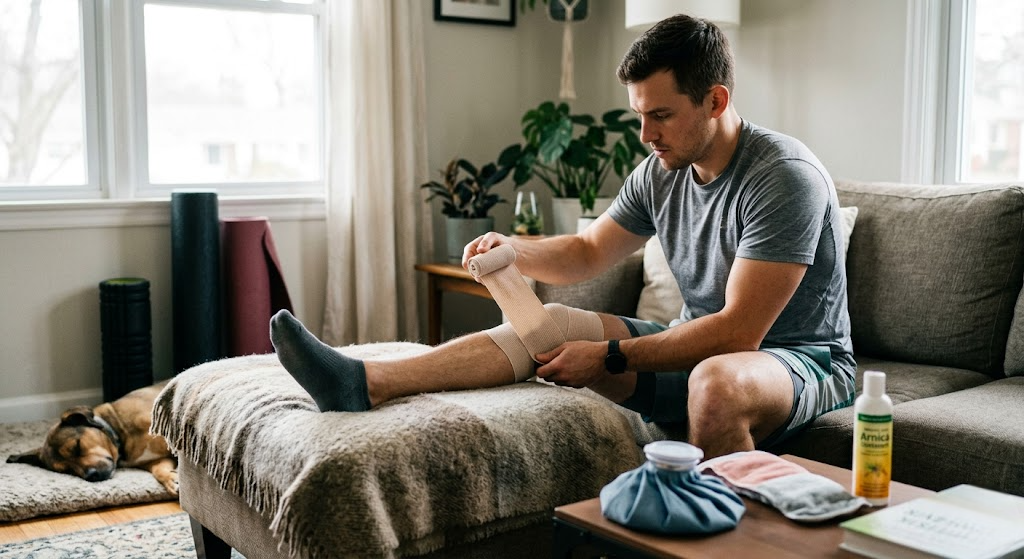
So you pulled something. Maybe you went a bit too hard at five a side, or your weekend run ended with your ankle saying "nope." Either way, here you are. And the good news? A lot of sports injuries can be managed right from your sofa, without rushing off to the chemist for a pile of painkillers.
I'm not saying ditch the professionals completely. Some injuries genuinely need expert hands. But for the everyday knocks, strains, and dodgy knees, your body's pretty good at fixing itself. You just have to help it along.
Why Natural Recovery Works (Most of the Time)
Here's the thing. Your body knows what it's doing. When you tweak a muscle or twist a joint, it starts a whole repair process on its own. Swelling, warmth, and a bit of stiffness. Annoying, yes. But it's all part of the plan.
Our job is just to not get in the way. And maybe we can nudge things in the right direction. Now, that doesn't mean ignoring pain. If something feels really wrong, get it checked out. There's a useful read on handling injuries without things going sideways that's worth a look if you're unsure.
The Old Faithful: RICE
You've probably heard of this one. It's been around forever, and there's a reason it sticks.
1. Rest. Stop doing the thing that hurt you. Obvious, but people ignore it constantly.
2. Ice. Twenty minutes on, a break, and repeat. Wrap it in a tea towel, though. Frozen peas straight on the skin? Ouch.
3. Compression. A simple elastic bandage keeps swelling down. Don't wrap it so tight your toes go purple.
4. Elevation. Prop the injured bit up above your heart. Stick your foot on a cushion and feel smug about it.
Move It (Gently)
This bit trips people up. They think rest means lying still like a log for a week. After the first day or two, gentle movement actually speeds things up. Light stretching keeps your joints from seizing. It gets blood flowing to the area, and blood is what carries all the good repair stuff.
If you sit at a desk all day on top of nursing an injury, your whole body stiffens up. These easy daily stretches are a decent starting point even when you're not injured.
Sleep. Seriously.
This is the most underrated recovery tool going. And it costs you nothing. Your body does the bulk of its healing while you're asleep. Skimp on it, and you're basically telling your muscles to fix themselves with one hand tied behind their back. So get your seven or eight hours. Your hamstring will thank you.
Eat Like You Actually Want to Heal
Protein helps rebuild muscle. Things like eggs, chicken, beans, fish. Then load up on colourful fruit and veg for the vitamins that calm inflammation down. Berries, leafy greens, oranges. And drink water. Loads of it. Dehydrated muscles cramp and sulk.
A few daily habits go a long way here, and some of them also help your back recover naturally if that's your trouble spot.
Heat or Ice? When to Switch
Quick rule of thumb:
1. First 48 hours: ice. It calms swelling.
2. After that: heat. A warm bath or heat pack loosens tight, stiff muscles.
Mixing them up too early can make swelling worse. So timing matters.
Prevention Beats Cure, Every Time
Once you're back on your feet, keep yourself there. Warm up properly. Don't go from zero to hero in one session. Build strength gradually.
There's a smart guide on avoiding sports injuries using chiropractic techniques that's worth bookmarking.
Contact Performax Chiropractic today
Performax Chiropractic can provide you with expert sports injury relief and chiropractic care results across the United Kingdom.
We welcome patients from across the country straight to our clinic. Find out where we are and how to reach us by visiting our contact page today.
Telephone: +44 7469 300763
Email: tj@performaxchiropractic.com
FAQs
1. How long do most sports injuries take to heal naturally?
Minor strains and sprains usually settle in one to three weeks. Bigger ones take longer, and some sports injuries genuinely need professional care to heal properly.
2. Should I keep exercising with a minor sports injury?
Gentle movement is good after the first couple of days. But avoid anything that brings back sharp pain. Listen to your body.
3. Are painkillers necessary for sports injuries?
Not always. Rest, ice, and time handle a lot of it. But if pain is stopping you sleeping or moving, it's fine to use them short term while you recover.
4. When should I see a chiropractor for sports injuries?
If pain lingers past a week, keeps coming back, or limits your movement, get it checked. Early treatment often prevents bigger problems later.